Reviewed by Bartlomiej Wozniak, Director and Laser Tattoo Removal Specialist at Bianco Beauty, with 11+ years of hands-on experience treating tattoo removal clients across the UK.
Quick answer:
Yes, you can get a tattoo after tattoo removal once your skin has fully recovered.
It is recommended to complete your full removal course first, then give the treated area 3 to 6 months to rebuild stable, healthy tissue before it reliably takes new ink.
Rushing this step is the single biggest reason people end up with a patchy, uneven result on previously treated skin.
In this guide:
- Can you get a tattoo after tattoo removal?
- Can you tattoo over a laser-removed tattoo, or does the skin reject it?
- Can you tattoo over removed tattoos straight away, or is there a wait?
- What happens to skin after laser tattoo removal.
- How long should you wait before getting tattooed again.
- Tips for a successful tattoo over previously removed ink.
- FAQs.
- About the author.
Can You Get a Tattoo After Tattoo Removal?
The short version is yes, but timing and skin condition matter far more than most people expect.
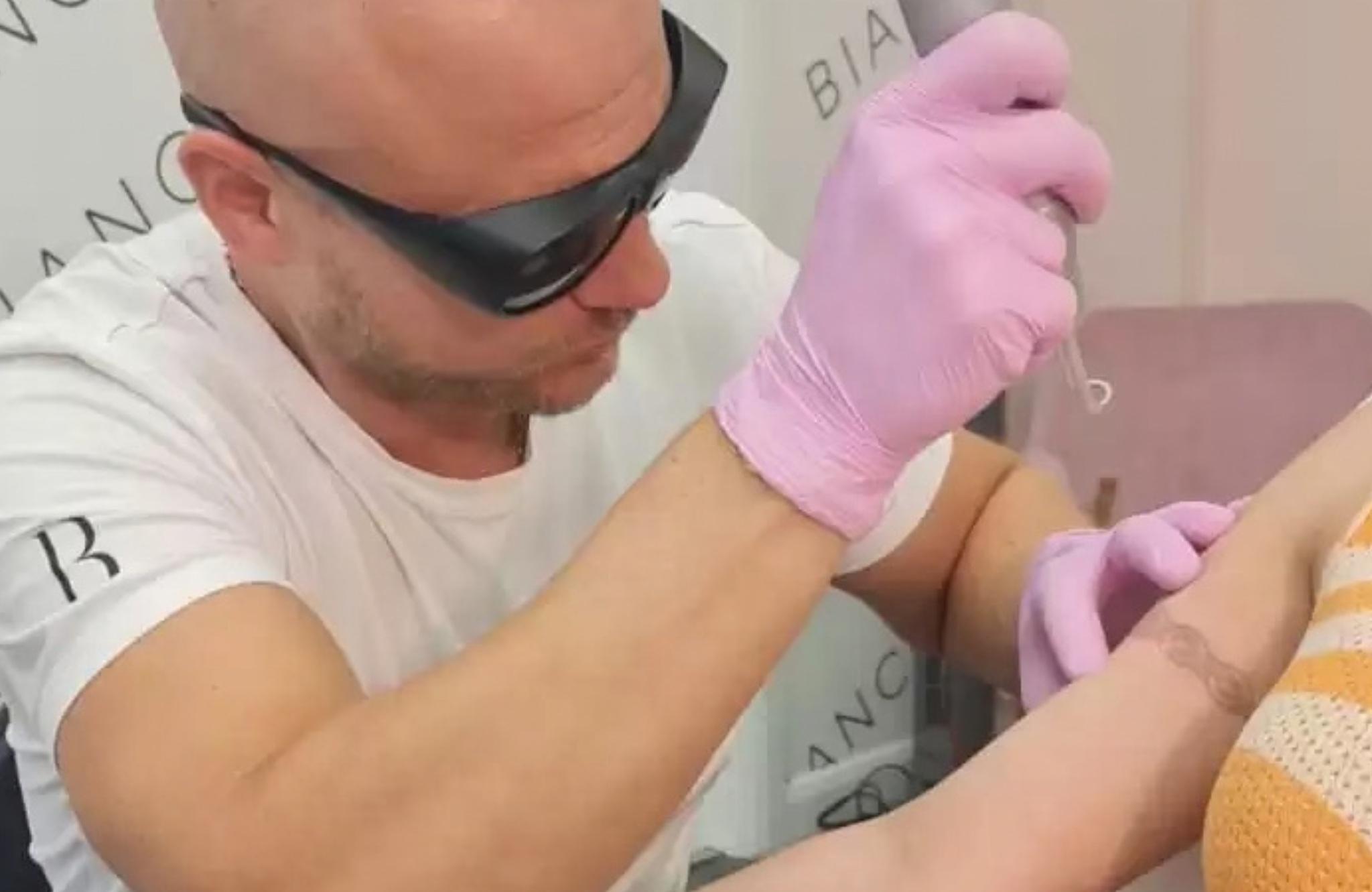
Laser tattoo removal works by shattering ink pigment with short pulses of light, which your immune system then clears away gradually over the weeks between sessions.
That process is genuinely effective at removing pigment, but it does leave the treated area in a temporarily altered state.
The skin isn’t damaged in any dramatic sense, but its structure has been disturbed, and it needs proper time to settle before it’s ready to accept new ink evenly.
Can You Tattoo Over a Laser-Removed Tattoo, or Does the Skin Reject It?
It’s not a case of the skin “rejecting” ink outright, but it does behave a little differently from skin that’s never been treated.
In my years of experience in this industry, I have seen how the tattoo removal area responds to a new tattoo:
- Ink can settle less evenly in an area where the dermis has undergone any textural change, sometimes leading to patchy colour.
- Blood flow to previously treated skin can be slightly reduced compared with untouched skin, which affects how well it heals a fresh tattoo.
- If any residual scarring outline remains from the original tattoo, an artist needs to work around or through that rather than treating the area as a blank canvas.
None of this means it can’t be done well. It just means it needs a tattoo artist who actually understands what that skin has been through, rather than one who treats it as if it were fresh, untouched skin.
Can You Tattoo Over Removed Tattoos Straight Away, or Is There a Wait?
There’s a wait, and it’s longer than most people assume.
Straight after your final removal session, the treated area is still actively healing, and tattooing it at that stage carries a real risk of infection, poor ink uptake, and a result that simply doesn’t settle properly.
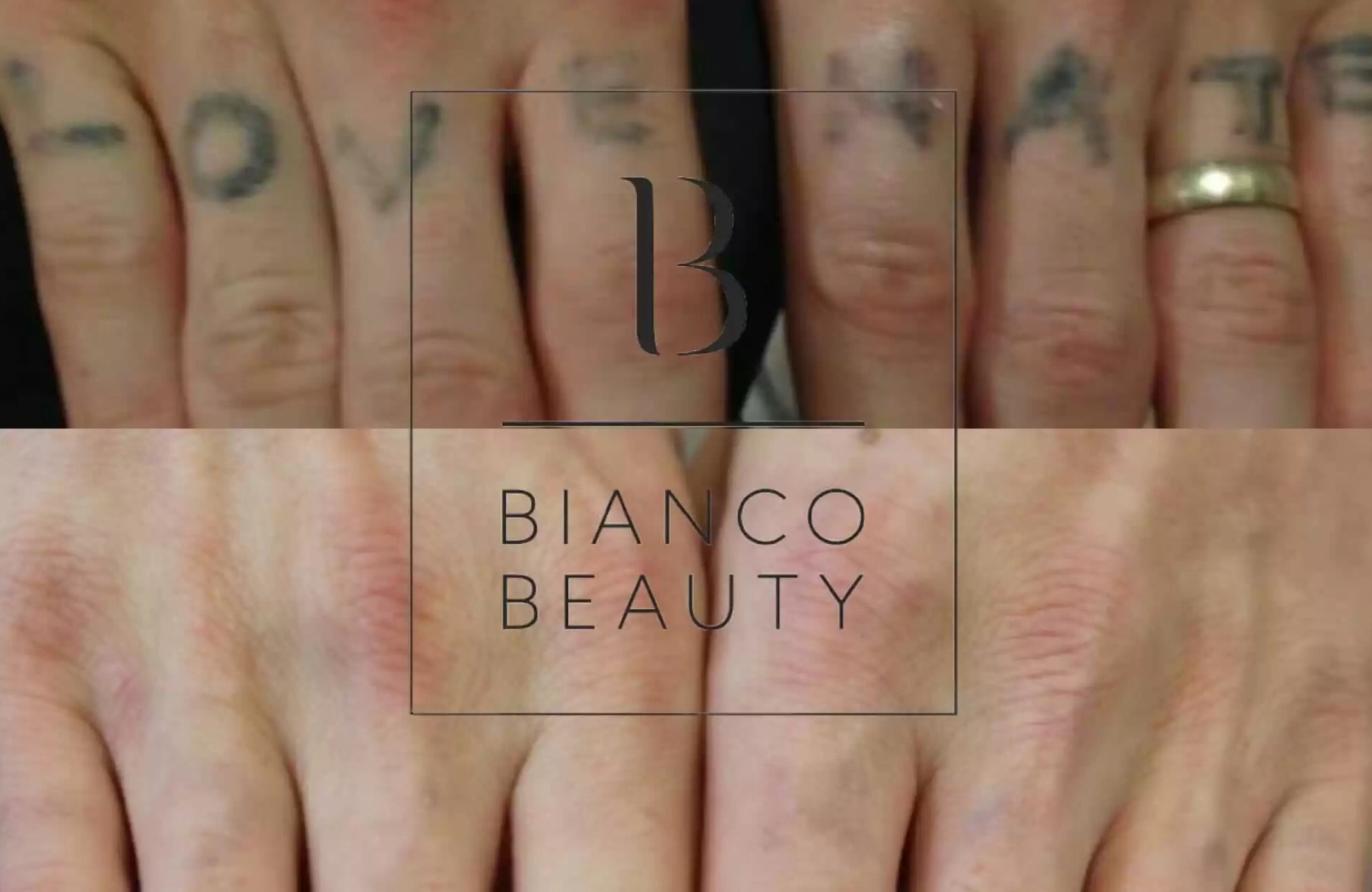
Even once the area looks fully healed on the surface, often within a few weeks, the deeper structures of the skin are usually still recovering underneath.
That gap between “looks healed” and “actually ready for a needle again” is exactly where people run into avoidable problems.
What Actually Happens to Skin After Laser Tattoo Removal
Each laser session creates a controlled level of trauma in the dermis, similar in principle to how the original tattoo was applied, just working in the opposite direction.
Your body responds by sending immune cells to clear the fragmented ink and by rebuilding collagen in the treated layer of skin as part of normal repair.
That collagen remodeling is genuinely still happening for months after your visible healing looks complete, which is exactly why waiting matters even once the redness and scabbing are long gone.
Tattooing into skin that’s still mid-remodeling can disrupt that process, and it’s a real factor in why some cover-ups over recently removed ink end up looking uneven or blotchy.
How Long Should You Wait Before Getting Tattooed Again
There’s no single number that fits everyone, since healing speed depends on your skin, how many sessions your removal took, and how your body responded overall.
That said, here’s the general approach we talk clients through:
- Immediately after your final session, the area needs to fully heal from that specific treatment first, which typically takes several weeks on the surface.
- The following few months: this is when the deeper collagen remodeling is still working away beneath the surface, even though the skin looks normal again.
- Around 3 to 6 months after your last session, for most clients, skin is stable enough at this point for a consultation with a tattoo artist to properly assess readiness.
If your removal treated a larger area, or you know you’re a slower healer, it’s genuinely worth waiting toward the longer end of that range rather than rushing back in.
Tips for a Successful Tattoo Over Previously Removed Ink
A few things genuinely make the difference between a clean result and a disappointing one.
- Choose a tattoo artist who has specific experience working on previously treated or scarred skin, not just a general portfolio you like.
- Book a proper consultation where the artist examines the area in person rather than quoting from photos alone.
- Be upfront about your full removal history, including how many sessions you had and how recently your last one was.
- Consider a design that works with any residual texture rather than fighting against it.
- Follow aftercare just as carefully as you did during removal, since this skin has already been through more than average.
The Bottom Line
So, can you get a tattoo after tattoo removal? Yes, for the vast majority of people, once the treated skin has had proper time to settle.
If you’re searching for a tattoo removal clinic in Birmingham that clients actually trust, our team can talk you through realistic timelines for your specific tattoo from the very first consultation.
Get in touch with Bianco Beauty today to book your free consultation and start planning what comes next for your skin.
FAQs
Can you tattoo over a laser-removed tattoo straight away?
No, the area needs to fully heal first. Tattooing too soon after your final session significantly raises the risk of infection and an uneven result.
How long after tattoo removal can you get a new tattoo?
Most practitioners recommend waiting at least 6 to 8 weeks after your final session as an absolute minimum, with 3 to 6 months being a more realistic timeframe for the skin to properly stabilise.
Will a new tattoo look different over previously removed ink?
It can, particularly if there’s any residual texture left behind. A skilled artist can usually design around this, but it’s worth discussing at your consultation.
Can you tattoo over removed tattoos if there’s still faint colour left?
Sometimes, though it depends on how much pigment remains and how the artist plans to work with it. In many cases it’s better to complete your removal course fully before booking new ink.
Does a tattoo artist need specific experience for this kind of work?
Ideally yes. An artist experienced with scarred or previously treated skin will understand how it takes ink differently and can adjust their technique accordingly.
About the Author:
Bartlomiej Wozniak is a Director and Laser Tattoo Removal Specialist at Bianco Beauty, one of the UK’s largest dedicated laser tattoo removal clinic groups, with 11+ years of hands-on experience across the company’s Milton Keynes, Soho, Birmingham, and Manchester clinics. He also heads up Bianco Academy, training the next generation of laser practitioners.